
Used Cargo Containers
Overview
-
Sectors Purchasing/Procurement
-
Posted Jobs 0
-
Viewed 40
Company Description
Guide To Shipping Container Prices: The Intermediate Guide For Shipping Container Prices
Understanding Shipping Container Prices: A Comprehensive Guide
Shipping containers have ended up being important assets for services participated in worldwide trade and transportation. Furthermore, with the rise of the do-it-yourself (DIY) home and office movement, they are progressively used for various innovative functions, including housing, workshops, and storage. Nevertheless, the price of shipping containers can differ considerably based upon a wide variety of aspects, making it important for potential purchasers to stay notified. This blog post intends to unload shipping container prices, detailing the factors that influence their costs, offering comparative analyses, and answering frequently asked concerns.
Elements Affecting Shipping Container Prices
The cost of shipping containers is affected by a series of elements. Here are a few of the main factors to consider:
-
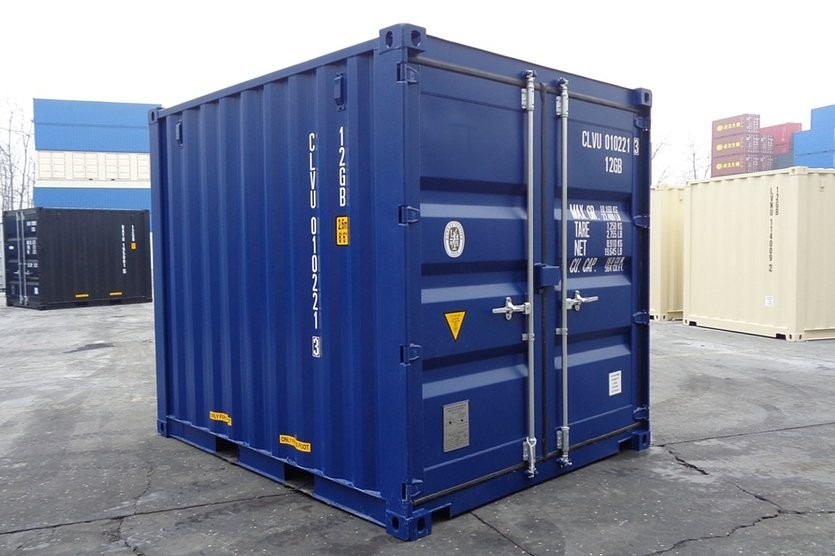
Container Size:.Standard shipping containers come in different sizes, the most common being 20-foot and 40-foot containers. As anticipated, larger containers generally cost more.
-
Condition:.Shipping containers are offered in three primary conditions:
- New: Brand new containers that have actually never been used. Generally the most expensive.
- Used: Previously owned containers that are still in great condition. Prices can vary based upon age and wear.
- Reconditioned: Used containers that have actually gone through repairs and modifications to be practical and attractive once again.
-
Market Demand:.Fluctuations in demand for shipping containers can influence prices. Economic patterns, such as trade wars or rises in e-commerce, effect supply and need substantially.
-
Location:.Geographic factors play an important role in rates. For example, containers situated near ports might be less expensive due to lower transport expenses.
-
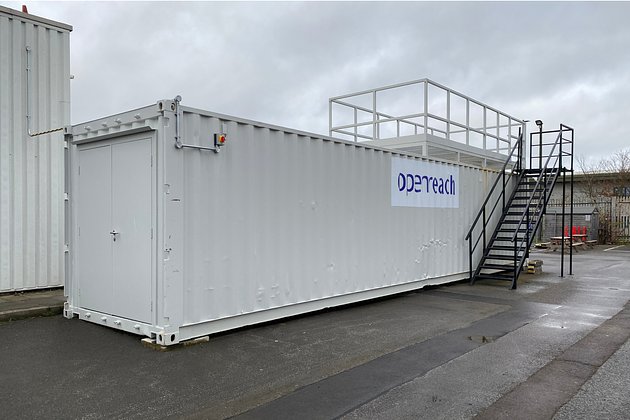
Personalization:.Customized containers equipped with amenities or modifications (e.g., insulation, windows, or doors) might come at a premium price.
Cost Ranges of Shipping Containers
To supply a clearer understanding of shipping container prices, the table below describes average costs based on various elements:
| Container Size | New Condition | Used Condition | Refurbished Condition |
|---|---|---|---|
| 10-foot | ₤ 3,500 – ₤ 5,000 | ₤ 1,500 – ₤ 3,000 | ₤ 2,000 – ₤ 4,000 |
| 20-foot | ₤ 4,500 – ₤ 7,000 | ₤ 2,000 – ₤ 4,000 | ₤ 3,500 – ₤ 5,500 |
| 40-foot | ₤ 6,000 – ₤ 10,000 | ₤ 3,000 – ₤ 6,000 | ₤ 4,500 – ₤ 7,500 |
| 40-foot HC (High Cube) | ₤ 6,500 – ₤ 10,500 | ₤ 3,500 – ₤ 6,500 | ₤ 4,800 – ₤ 8,000 |
Please keep in mind that these cost varieties might vary based upon the geographical area and market patterns.
Key Insights:
- New containers are a significant investment and are ideal for organizations needing long-term possessions.
- Used containers can supply good worth for those on a spending plan, particularly for storage or short-term jobs.
- Refurbished containers can offer a balance of cost-effectiveness and quality.
Extra Costs to Consider
While examining shipping container prices, it is essential not to ignore extra expenses associated with the purchase and setup process:
- Delivery Fees: Transporting the container from the seller to your location can sustain additional costs, particularly for cross countries.
- Modifications: If you prepare to customize the container, consider these additional costs which can differ based on the intricacy of the modifications.
- Authorizations and Licenses: Depending on regional laws, you may need licenses for placing or converting a shipping container, which can likewise contribute to the total cost.
- Maintenance Costs: Even reconditioned containers might need some maintenance gradually, affecting general ownership costs.
The Current Market Trend
As of 2023, there have actually been observable shifts in the shipping container market due to different global aspects such as the ongoing effects of the COVID-19 pandemic, supply chain disruptions, and variations in global trade patterns. Prices have seen significant volatility, with many purchasers experiencing unpredictably high costs.
Regardless of this, particular areas have begun to stabilize, especially locations greatly reliant on shipping container trade. Developments in logistics and supply resolution methods have actually likewise contributed in tempering these changes.
Often Asked Questions (FAQ)
1. What is the average lifespan of a shipping container?
- Shipping containers are generally constructed to last 10-15 years, depending upon their use and upkeep.
2. What are the very best usages for shipping containers?
- They can be used for shipping goods, storage, pop-up stores, environment-friendly housing, and more.
3. Can I fund a shipping container purchase?
- Yes, there are financing choices readily available through specialized loan providers if full payment upfront isn’t possible.
4. How can I ensure I’m purchasing a quality container?
- Always inspect the container in-person if possible, or deal with trustworthy sellers who use in-depth descriptions and photos.
5. Is it simple to convert a shipping container?
- While some modifications can be basic, others might require expert assistance. It’s useful to plan your conversion ahead of time.
Acquiring a shipping container provides an array of chances, whether for business or individual usage. As prices continue to vary, comprehending the underlying factors that affect these expenses is critical for making notified decisions. By thinking about the different price points, additional costs, and market patterns, purchasers can better navigate the complexities of the shipping container market and find an option that matches their needs. In this ever-evolving industry, staying mindful and informed stays important.