

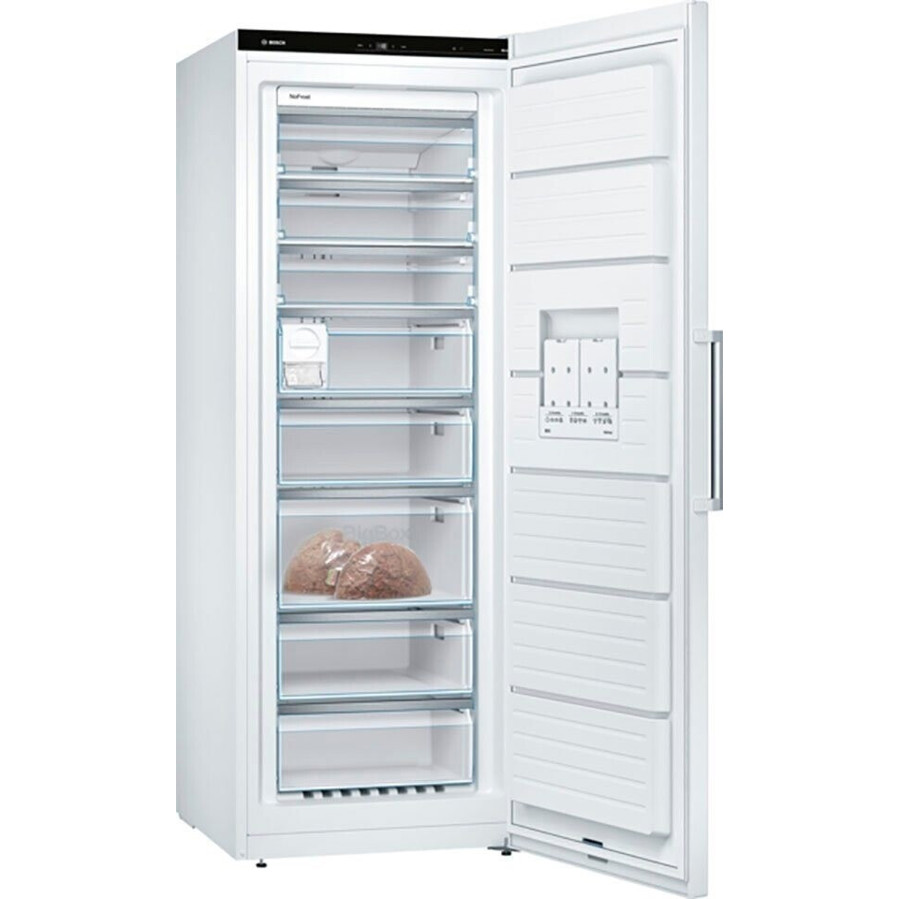
Gefrierschrank No Frost Angebot
Overview
-
Sectors Engineering - Mechanical/Electrical
-
Posted Jobs 0
-
Viewed 56
Company Description
Why Nobody Cares About Freezer Energy Efficiency Class C
Understanding Freezer Energy Efficiency Class C: What You Need to Know
In today’s ecologically conscious world, energy efficiency has gotten significant importance amongst customers and producers alike. When it pertains to household appliances, a freezer’s energy efficiency ranking can significantly impact energy consumption and energy costs. This article will check out Freezer Energy Efficiency Class C– what it means, how it compares to other classes, and ideas on how to improve energy efficiency in freezers.
What Does Energy Efficiency Class C Mean?
Energy efficiency classes are standardized ratings that show how much energy a device takes in relative to its output or efficiency. These classes vary from A to G, with A being the most efficient and Kühlschrank Test 2025 (https://hackmd.bangumi.org/ktU_yUu6SxKcP8nAkVlTgg) G the least.
Freezers with an Energy Efficiency Class C ranking are considered typical in regards to energy intake. They aren’t the most efficient alternatives available, however they typically cost less than higher-rated designs.
Energy Efficiency Classes
| Energy Class | Description |
|---|---|
| A+++ | Extremely efficient |
| A++ | Very efficient |
| A+ | Efficient |
| A | Moderate efficiency |
| B | Listed below typical |
| C | Average |
| D | Second-rate |
| E | Poor |
| F | Really bad |
| G | Exceptionally poor |
Key Characteristics of Class C Freezers
-
Energy Consumption: Class C freezers typically take in more electricity compared to their more effective counterparts. This indicates that while they might be more economical to buy, it may cost more to operate them with time.
-
Preliminary Cost: Freezers with a Class C score frequently have lower upfront costs, making them appealing for budget-conscious consumers.
-
Size and Capacity: Class C designs can can be found in numerous sizes, from compact units to bigger chest freezers. This variability enables customers to select a design that fits their needs without jeopardizing on expense.
-
Cooling Technology: Many Class C freezers utilize conventional cooling techniques rather than innovative innovations discovered in higher-rated designs. As a result, their cooling performance may not be as constant.
Benefits and drawbacks of Class C Freezers
Pros:
-
Affordability: Generally, Class C freezers have lower preliminary expenses compared to higher-rated designs, making them accessible for customers on a spending plan.
-
Adequate for Average Use: For homes that don’t often utilize a freezer or shop large amounts of food, a Class C freezer might provide enough efficiency.
-
Simpler Features: Many Class C models focus on basic functionalities, lack complicated functions, and are often much easier to use.
Cons:
-
Higher Energy Costs: The continuous energy usage can result in higher energy costs, negating the cost savings from the lower purchase price.
-
Environmental Impact: Less energy-efficient appliances contribute to greater carbon footprints, which can be an issue for ecologically conscious consumers.
-
Minimal Longevity: Class C units might not last as long as more effective designs, resulting in more frequent replacements and increased waste.
Tips for Improving the Energy Efficiency of Class C Freezers
-
Correct Location: Place the freezer in a cool, well-ventilated area away from direct sunshine and heat sources like ovens and dishwashers.
-
Temperature Settings: Set the freezer temperature to optimum levels (usually around -18 ° C or 0 ° F )to make sure effective operation
-
. Keep It Full: A full freezer runs more effectively than an empty one. If you don’t have adequate food to fill it, think about using ice packs or containers of water to inhabit area.
-
Routine Maintenance: Clean the coils and gasket seals routinely to ensure the freezer runs efficiently and doesn’t have to work harder than necessary.
-
Minimize Opening the Door: Unterbaufähiger Kühlschrank Angebot Each time the freezer door is opened, cold air gets away. Reduce door openings, and attempt to secure items quickly.
FAQs About Freezer Energy Efficiency Class C
1. How does a Class C freezer compare to Classes A and B?
Class C freezers are less energy-efficient than Classes A and B. They take in more electricity and typically cost more to operate with time.
2. Is it worth buying a Class C freezer?
If you’re on a budget plan and don’t require high energy efficiency for erratic usage, a Class C freezer may be a suitable option. However, think about long-lasting energy expenses before purchasing.
Kleiner Gefrierschrank Mit 3 Schubladen Günstig Online Bestellen. Can I upgrade a Class C freezer for much better efficiency?
Yes, improving energy efficiency can be feasible through proper upkeep, careful use, and by following advised operational practices.
4. What is the average life-span of a Class C freezer?
The life expectancy of a Class C freezer is generally between 10 to 15 years, depending upon use, brand, and maintenance.
5. Will a greater energy class save me cash?
Most of the times, buying a higher energy class freezer (A or A+) can cause savings on energy expenses, offsetting the preliminary purchase expense in time.
Freezer Energy Efficiency Class C is a feasible option for many consumers. While they might do not have the energy efficiency of higher-rated models, their affordability and sufficient efficiency make them a possible choice for budget-conscious homes. Side By Side Kühlschrank Schwarz Mit Wasserspender Und Eiswürfelbereiter understanding energy classes, consumers can make educated choices and take steps to boost the efficiency of their appliances, leading to both savings and accountable energy usage. As the world moves towards greener solutions, considering energy-efficient appliances in our homes ends up being more crucial than ever.