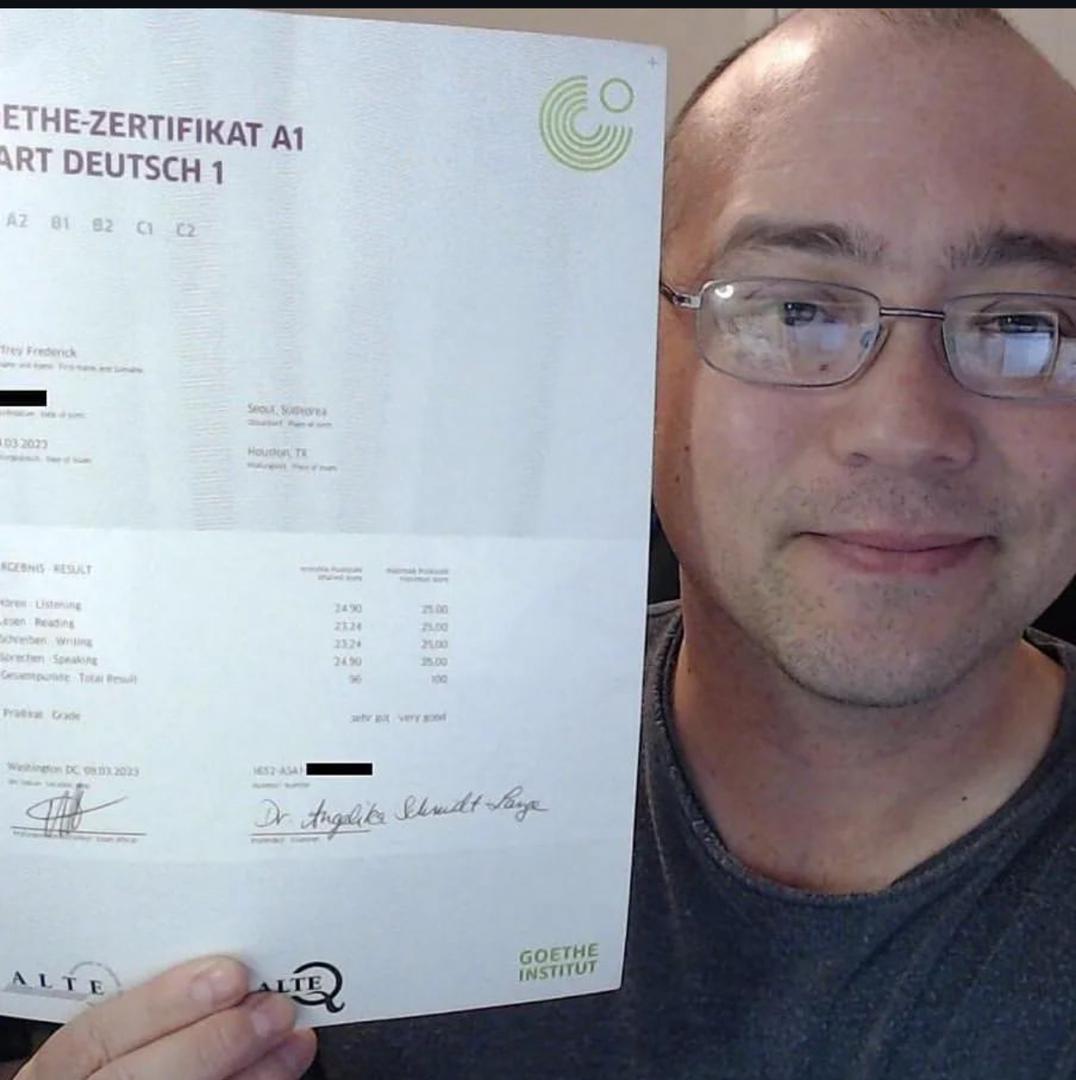

B1 Deutsch Zertifikat
Overview
-
Sectors Installation/Maintenance/Repair
-
Posted Jobs 0
-
Viewed 17
Company Description
10 Things That Your Family Taught You About B1 Exam Without Course
Navigating the B1 Exam Without a Formal Course: A Comprehensive Guide
As the needs for English language proficiency continue to rise in our globalized world, lots of individuals find themselves getting ready for language evaluations like the B1 English Exam. The B1 level, also understood as the Preliminary English Test (PET), assesses intermediate English language skills. While lots of pick to register in official courses to prepare, it is completely possible to effectively browse the B1 Exam without one. This post will supply insights, research study methods, and vital resources to assist you ace the B1 exam separately.
Understanding the B1 Exam
Before diving into the preparation approaches, it is critical to comprehend what the B1 Exam requires. The B1 Exam Without Course level is developed to confirm one’s capability to manage basic interaction in English throughout a variety of contexts. Below is a breakdown of the exam parts:
| Component | Description | Duration |
|---|---|---|
| Listening | Understand spoken material on familiar subjects | Thirty minutes |
| Reading | Comprehend articles, ads, and emails | 45 minutes |
| Writing | Produce short texts like emails or letters | 45 minutes |
| Speaking | Engage in conversations and reveal viewpoints | 10-12 minutes |
Abilities Assessed
The B1 Exam examines the following key skills:
-
Listening Comprehension: Ability to understand the primary ideas and specific details in numerous spoken contexts.
-
Checking out Comprehension: Skill in comprehending texts that include high-frequency language or familiar topics.
-
Composing: Capacity to interact effectively through simple texts, conveying ideas clearly and with proper grammar.
-
Speaking: Ability to discuss everyday subjects, describe experiences, and reveal viewpoints in a structured way.
Self-Study techniques for B1 Exam Preparation
While a formal course provides structure and assistance, self-study can also work. Here are a number of techniques to assist you prepare for the B1 exam separately:
1. Use Online Resources
The web supplies a plethora of resources that can aid in studying for the B1 exam. Here’s a list of beneficial sites:
| Resource | Description |
|---|---|
| British Council | Offers sample tests and research study materials |
| Cambridge English | Features practice exams and preparation suggestions |
| BBC Learning English | Provides free lessons and videos tailored for B1 level |
| Duolingo | Language knowing app focusing on vocabulary and grammar |
2. Experiment Sample Papers
Acquainting oneself with the exam format is important. Make a habit of completing sample papers under timed conditions. This practice will help improve time management and construct self-confidence.
3. Emphasize Vocabulary Building
Expand your vocabulary by taking part in day-to-day reading. Here are some suggested activities:
- Read English Newspapers: The Guardian, BBC News, etc.
- Watch English Movies/Series: Subtitled material can enhance listening skills.
- Use Flashcards: Create flashcards for brand-new words and examine them regularly.
4. Sign Up With Online Study Groups
Getting involved in virtual online forums or study hall can boost discovering through interaction. Sites like Meetup or language exchange platforms (Tandem, HelloTalk) facilitate connections with fellow students.
5. Establish Speaking Skills
Practicing speaking is necessary for a holistic preparation. Here are ways to enhance:
- Language Exchange: Find a partner to converse with in English and your native language.
- Record Yourself: Listening to recordings will help determine areas for improvement.
- Usage Speaking Apps: Engage in conversations through platforms created for language practice.
6. Frequently Review Grammar Rules
Grammar efficiency is vital in accomplishing an excellent rating on the writing and speaking parts. Consider the following resources:
| Resource | Description |
|---|---|
| Grammarly | Assists in composing with grammar corrections |
| Purdue Online Writing Lab (OWL) | Offers extensive grammar guides |
7. Set Up a Study Plan
Establishing a schedule assists create consistency. Think about the following structure:
| Day | Focus Area |
|---|---|
| Monday | Listening Practice |
| Tuesday | Checking out Comprehension |
| Wednesday | Composing Skills |
| Thursday | Speaking Practice |
| Friday | Grammar Review |
| Saturday | Complete Practice Test |
| Sunday | Rest/Reflection |
Frequently asked questions About the B1 Exam Preparation
Q1: Can I pass the B1 exam without any previous knowledge of English?A1: While anticipation is useful, dedicated self-study can help you succeed. Start with basic vocabulary and grammar. Q2: How long should I study for the B1 exam?A2: The period
depends on your current level. Generally, 3-6 months of constant research study can prepare you effectively. Q3: Are there any particular books you advise for B1 preparation?A3: Yes,”Objective PET”and”
Cambridge English: Preliminary Practice Tests”are excellent choices for concentrated study. Q4: What if I feel anxious about the speaking test?A4: Practice is crucial. Replicate the speaking test with good friends or in
a study group to improve confidence. Q5: Are there any specific apps that can help me practice?A5: Apps like Babbel, Memrise, and Tandem are excellent for vocabulary and speaking practice.
Getting ready for the B1 English Exam without an official course is completely attainable with dedication, the best resources, and effective research study strategies. By including a varied variety of learning tools and methods, people can improve their efficiency in the English language and succeed in their assessment objectives. The journey toward mastering a brand-new language might be tough, however with the right method, plenty of practice, and perseverance, many students can obtain B1 certification on their terms.